


The Allure of Chance and Risk
One of the primary psychological factors driving individuals to casinos is the allure of chance and the thrill of risk-taking. This phenomenon is deeply rooted in human nature, where the uncertainty of outcomes can produce strong emotional responses. The excitement that comes from gambling is often heightened by the possibility of winning, which can create a rush similar to that experienced during other high-stakes activities, such as when placing nrl premiership betting on a favorite team. For many, this adrenaline rush becomes a driving force, compelling them to engage in gaming activities repeatedly, seeking that elusive big win.
Additionally, the concept of risk versus reward plays a crucial role in attracting players to casinos. When individuals perceive that the potential reward outweighs the risk, they are more likely to dive into gambling activities. This perception can be influenced by various factors, including social dynamics, marketing strategies, and personal beliefs about luck and skill. The idea of hitting a jackpot or experiencing a significant win fosters a belief in one’s own capability to beat the odds, further fueling the desire to play.
Moreover, the design of casino environments significantly amplifies this psychological draw. The bright lights, sounds of winning, and overall ambiance create a stimulating atmosphere that is hard to resist. This sensory overload enhances the feelings of excitement and anticipation, leading players to lose track of time and money. The combination of environmental factors and psychological motivations results in a compelling experience that can easily become habitual for many players.
The Role of Social Interaction
Social interaction is another powerful element that influences gambling behavior at casinos. For many individuals, visiting a casino is not just about playing games; it’s also an opportunity to socialize with friends and meet new people. The communal aspect of gaming—whether at a poker table or around slot machines—provides a sense of belonging and camaraderie that enhances the overall experience. This social dimension can lead to an increased likelihood of returning to the casino, as players often associate these venues with positive social interactions.
Additionally, social reinforcement can play a significant role in an individual’s gaming habits. When friends share stories of wins, they can encourage others to try their luck, perpetuating a cycle of participation. The desire to impress peers or conform to group behaviors can compel individuals to gamble, sometimes beyond their intended limits. This social aspect is particularly evident in group activities, such as bachelor parties or celebrations, where the collective atmosphere encourages higher stakes and increased participation.
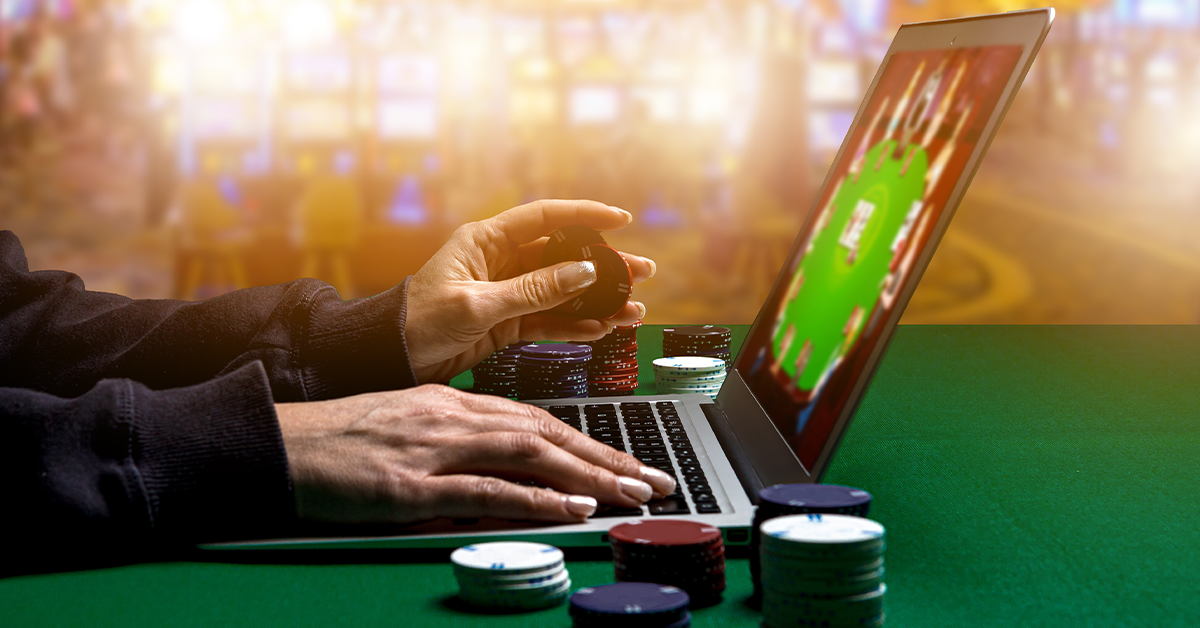
Furthermore, the influence of social media in today’s digital age cannot be overlooked. Online platforms allow individuals to share their gambling experiences and victories, creating an enhanced sense of community among gamblers. This online interaction can significantly influence a person’s decision to visit a casino, as they may feel compelled to participate in trends or challenges encouraged by their peers. The blend of physical and virtual socialization continues to shape gambling habits, making it a multifaceted pursuit.
The Impact of Cognitive Biases
Cognitive biases are systematic patterns of deviation from norm or rationality in judgment, and they play a substantial role in shaping gaming habits. One prevalent cognitive bias in gambling is the illusion of control, where players believe they can influence the outcome of a game despite the randomness of most casino games. This illusion can lead individuals to engage in gambling more frequently, as they convince themselves that they have the skills or strategies to change their fortunes.
The gambler’s fallacy is another significant cognitive bias that can affect decision-making. This is the belief that past random events influence future outcomes, leading players to make irrational bets based on previous wins or losses. For instance, a player might think, “I’ve lost the last five games in a row, so I’m due for a win.” Such thinking can result in continued gambling even in the face of negative outcomes, demonstrating how cognitive biases can perpetuate gambling habits.
Additionally, the reinforcement mechanisms at play in casinos often exploit these biases. For example, intermittent rewards, such as occasional wins mixed with long stretches of losses, can condition players to continue betting in hopes of the next win. This unpredictability fuels a cycle where players remain engaged, even in the face of diminishing returns. Understanding these cognitive biases provides insight into why certain individuals develop persistent gaming habits, often leading to problematic gambling behaviors.
Emotional and Psychological Triggers
Emotional states significantly influence gambling habits, both positively and negatively. Many individuals turn to casino gaming as a way to cope with stress, anxiety, or other negative emotions. The temporary escape that gambling provides can be appealing, allowing players to forget their problems, even if only for a moment. This coping mechanism can lead to habitual gaming as individuals seek solace in the casino environment to alleviate emotional pain.

Conversely, positive emotions can also drive individuals to gamble. Celebrations, excitement, or feelings of success can trigger a desire to indulge in gaming activities. This emotional connection to gambling can create a feedback loop where positive experiences reinforce the behavior, making individuals more likely to return to casinos in the future. The intertwining of emotions and gambling habits creates a complex relationship that can lead to both responsible gaming and problematic behaviors.
Moreover, the role of marketing and promotions in casinos also taps into emotional triggers. Promotional campaigns often highlight stories of big wins and lavish lifestyles, appealing to the dreams and aspirations of potential players. By evoking strong emotions, such as excitement or hope, casinos can attract new customers while retaining existing ones. Understanding these emotional and psychological triggers is crucial for both gamblers and industry stakeholders in navigating the landscape of casino gaming effectively.
Understanding the Casino Landscape
All aspects of casino design—from layout to marketing tactics—are meticulously crafted to optimize player engagement and retention. Casinos employ a variety of strategies to create inviting atmospheres that encourage extended play. The carefully chosen colors, sounds, and even the scent in the air contribute to the overall experience, aiming to keep players in a heightened state of excitement. This environment makes it easier for individuals to lose track of time and money, which can significantly impact their gaming habits.
Furthermore, the use of technology in casinos has transformed the gaming landscape. The integration of online platforms and mobile applications allows for easier access to gambling activities. Players can engage in games from the comfort of their homes, increasing the frequency of gambling behaviors. These technological advancements also lead to the emergence of new gaming formats, appealing to younger demographics and altering traditional gaming habits.
Understanding the casino landscape extends to recognizing the challenges that come with it. While many enjoy gambling for entertainment, others may struggle with addiction. Recognizing the signs of problematic gaming is crucial for both players and industry professionals. Responsible gaming initiatives are essential in providing support and resources for those who may be affected by their gambling habits. The ongoing dialogue about safe gaming practices can help foster a healthier relationship with casino gaming.
