


The Nature of Luck in Gambling
Luck is often perceived as a random occurrence that yields both favorable and unfavorable outcomes, particularly in gambling scenarios. In this context, luck plays a fundamental role, as many games rely heavily on chance. From the roll of dice to the flip of a coin or the spin of a wheel, the outcomes are primarily dictated by fate. This unpredictability offers an intriguing allure for many players, who are drawn to the thrill of potentially winning big, especially when they explore various sports betting sites that enhance their gaming experience, despite the inherent risks involved.
Several gambling activities highlight the significance of luck. Take slot machines, for example, which operate on random number generators. Each spin is independent, meaning the outcome is determined solely by chance. Similarly, games such as bingo or lotteries are quintessentially luck-based, with winning numbers drawn randomly and players lacking any control over the results. This reliance on luck contributes to the excitement and anticipation that many casual gamblers seek, as they enjoy the possibility of unexpected fortune arising from mere chance.
However, it is crucial to recognize that while luck serves as a foundation for many gambling experiences, it is not the sole determinant of a player’s long-term success. Psychological factors, such as the ‘gambler’s fallacy,’ can skew perceptions, leading players to erroneously believe that past outcomes can influence future results. Acknowledging the role of luck allows players to maintain a balanced outlook on their chances, ensuring that they engage in gambling activities with a clear understanding of the risks and rewards involved.
The Role of Skill in Gambling
While luck undeniably influences outcomes in gambling, skill emerges as a pivotal factor, especially in strategy-driven games. Titles like poker, blackjack, and sports betting demand a nuanced understanding of rules, strategies, and probabilities. Skilled players leverage their expertise to make informed decisions, carefully calculating odds and assessing risks to improve their likelihood of success. This interplay between skill and luck is particularly fascinating, as it shows that although luck may create opportunities, skill enhances the chances of capitalizing on those opportunities effectively.
For instance, in poker, players compete against one another, where abilities such as reading body language, bluffing, and bankroll management can significantly sway the game’s outcome. These strategic elements necessitate both practice and a deep understanding of game mechanics, illustrating that skill can outweigh luck over time. Similarly, in blackjack, players can employ techniques like card counting to slightly shift the odds in their favor, demonstrating how expertise in the game can lead to sustained profitability, unlike pure games of chance where skill has limited impact.
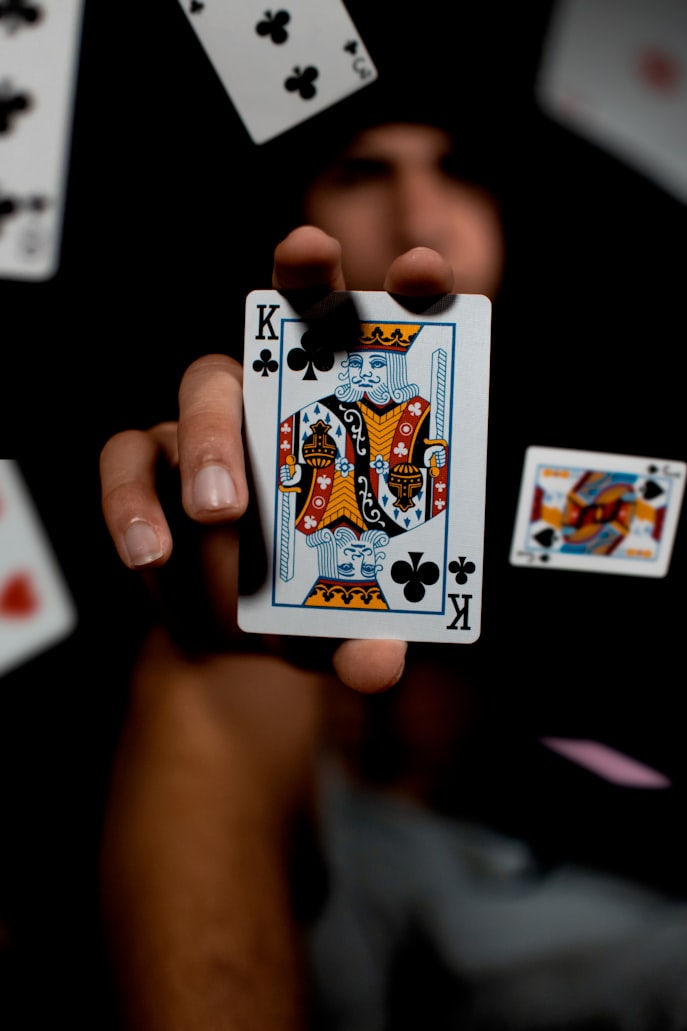
The advent of online gambling has further opened avenues for players to refine their skills across various games. With numerous resources available online, players can delve into strategy guides, instructional videos, and even simulation games to improve their gameplay. This combination of skill and luck creates a unique gambling landscape where informed players can adeptly navigate their fates, underscoring the importance of preparation and knowledge in enhancing their overall gambling experience.
The Psychological Impact of Luck and Skill
The relationship between luck and skill in gambling cultivates a complex psychological landscape for players. Perceptions of luck can significantly influence player behavior, often leading to both positive and negative consequences. For instance, a lucky streak can instill a sense of confidence, prompting players to gamble more liberally, while a series of losses can breed frustration and impulsive decisions. Understanding the psychological ramifications of luck can help players cultivate a healthier mindset, enabling them to recognize when fortune simply isn’t on their side.
Moreover, a strong belief in one’s skills can motivate players to engage thoughtfully with their decisions. A skilled player often develops a sense of control over their gambling journey, allowing them to moderate risks and make more calculated choices. Conversely, an overdependence on luck can foster a more reckless approach, where players gamble impulsively, hoping for a turnaround in their fortunes. This disparity emphasizes the importance of balancing skill and luck to maximize enjoyment while minimizing adverse consequences.
The psychological struggle between luck and skill also extends to how individuals interpret their gambling outcomes. Players frequently internalize victories as evidence of their skill and losses as mere misfortune. This cognitive bias can significantly affect future gambling strategies and choices. For some, it encourages a commitment to improving their gameplay, while others may fall into the trap of chasing losses, believing that luck will eventually favor them. This dynamic highlights the critical need for self-awareness and reflection within the gambling experience.
Finding the Balance: Luck vs. Skill
Striking the right balance between luck and skill in gambling is vital for optimizing enjoyment while minimizing potential pitfalls. Each game offers a unique blend of these elements, prompting players to evaluate their personal preferences and betting strategies. For instance, those who thrive on uncertainty may prefer games driven by luck, while those who relish tactical challenges may favor skill-based options. Understanding one’s inclinations can guide more informed choices about how and where to engage in gambling activities.

The gambling landscape is rich with a variety of choices catering to diverse player preferences. Skill-based games often reward dedication and practice, while luck-based games deliver quick thrills and spontaneous enjoyment. The choice each player makes profoundly impacts their gambling experience, highlighting the importance of aligning gameplay with individual interests and risk tolerance. Achieving this equilibrium can lead to a more rewarding gambling experience, allowing players to appreciate both the excitement and the skillful engagement that gambling offers.
Additionally, adopting responsible gambling practices can enhance the balance between luck and skill. Setting clear budgets, recognizing when to walk away, and practicing moderation can significantly improve players’ experiences. Regardless of whether one leans more towards luck or skill, responsible gambling ensures that individuals are not only entertained but also safeguarded against the risks associated with excessive play. By fostering a healthy relationship with gambling, players can enjoy the best of both worlds while minimizing potential adverse outcomes.
Understanding Gambling Resources Online
The rise of online gambling platforms has transformed how players engage with both chance and skill-based games. These resources offer a plethora of gaming experiences tailored to those seeking either luck-driven outcomes or skill-centric challenges. Players can explore an extensive array of games, enabling them to make informed decisions based on their personal preferences and inclinations. The convenience of accessing these platforms from home has amplified interest in both casual and serious gambling activities, making it more accessible than ever.
Moreover, many online gambling venues offer valuable educational resources, including tutorials, strategy guides, and community forums where players can exchange experiences and tips. This wealth of information empowers players to sharpen their skills, grasp game mechanics, and engage with their gaming preferences more knowledgeably. As players become better informed, they can more effectively navigate the interplay between luck and skill, leading to a more fulfilling gambling journey.
In addition, the integration of responsible gambling features on online platforms has become increasingly common, offering tools to help players monitor their activities and establish limits. This commitment to player welfare reflects a growing understanding of the need to balance enjoyment with risk. By utilizing these resources, individuals can cultivate a safer gambling experience, ensuring that their engagement with luck and skill remains both enjoyable and within their financial means.
